Have you ever wondered how your messages fly safely through so many networks without anyone eavesdropping? It’s all thanks to end-to-end encryption. This method scrambles your data so only you and the person you're messaging can read it, while anyone else sees only a jumble of letters.
In this post, we'll break down what end-to-end encryption is, how it keeps your chats secure, and why it’s a trusted way to protect your information.
E2EE Explained: Defining End-to-End Encrypted Data

End-to-end encryption means your information is scrambled on your device and only gets unscrambled on the other person's device. Think of it like writing a secret note in a special code that only you and your friend can read. Even if someone manages to catch your note on its way, they’ll just see gibberish.
This security trick uses two keys. One key, the public key, locks up your data so no one else can read it. The other key, called the private key, is kept safe on your device and unlocks the message when it arrives. This way, even if the message travels through a cloud or mail service, no one in between can peek at what’s inside.
Just like old secret letters that only trusted friends understood, this method keeps your digital messages private. It wraps your words in a layer of safety, making sure that only you and your intended friend, or anyone you trust, can see them.
By letting only the sender and receiver open the message, end-to-end encryption builds a strong shield for your personal chats, business talks, and any sensitive information you send.
The End-to-End Encryption Process and Key Management

We’re diving into smart key management instead of just rehashing the basics of encryption. Think of it like a combination lock that changes its numbers on its own. That’s exactly what automated resets do, they give your message a new lock every so often, cutting down the time a bad actor might sneak in.
Our system also makes sure your private keys stay only on your device. Picture it like a quick guard who spots any danger and swaps the key right away. Even if a key seems at risk, it only works for a few moments before disappearing, keeping your data much safer.
End-to-End Encryption vs Other Encryption Methods

End-to-end encryption scrambles your data right from when you send it until it reaches the other person. It locks your information on your device and only lets the recipient unlock it. But TLS/SSL works differently. It protects your data as it travels between your device and a server, then unlocks it at both ends. So, your message stays safe during the journey but becomes open once it gets to either endpoint. Meanwhile, data-at-rest encryption is all about keeping stored data safe, like files on a disk or in the cloud, though it doesn’t protect data when it's moving from one spot to another.
Each method shines in its own way. End-to-end encryption is best for private chats and sharing files when privacy is key. TLS/SSL is great for safe web browsing and online shopping, securing your transactions as you interact with servers. And data-at-rest encryption works well for stored files and archives, using special key management to ensure that your stored data stays under lock and key.
| Encryption Type | Transit Protection | Endpoint Decryption | Key Storage | Typical Use |
|---|---|---|---|---|
| End-to-End Encryption | Data stays scrambled during transit | Unlocked only on the recipient’s device | Private keys kept on user devices | Private messaging and file sharing |
| TLS/SSL | Secures data between device and server | Data unlocked at both endpoints | Keys stored on both client and server | Secure web browsing and online transactions |
| Data-at-Rest Encryption | Doesn’t apply during transit | Data remains locked until actively accessed | Stored within encrypted storage | Stored file and archive security |
Benefits of End-to-End Encrypted Data
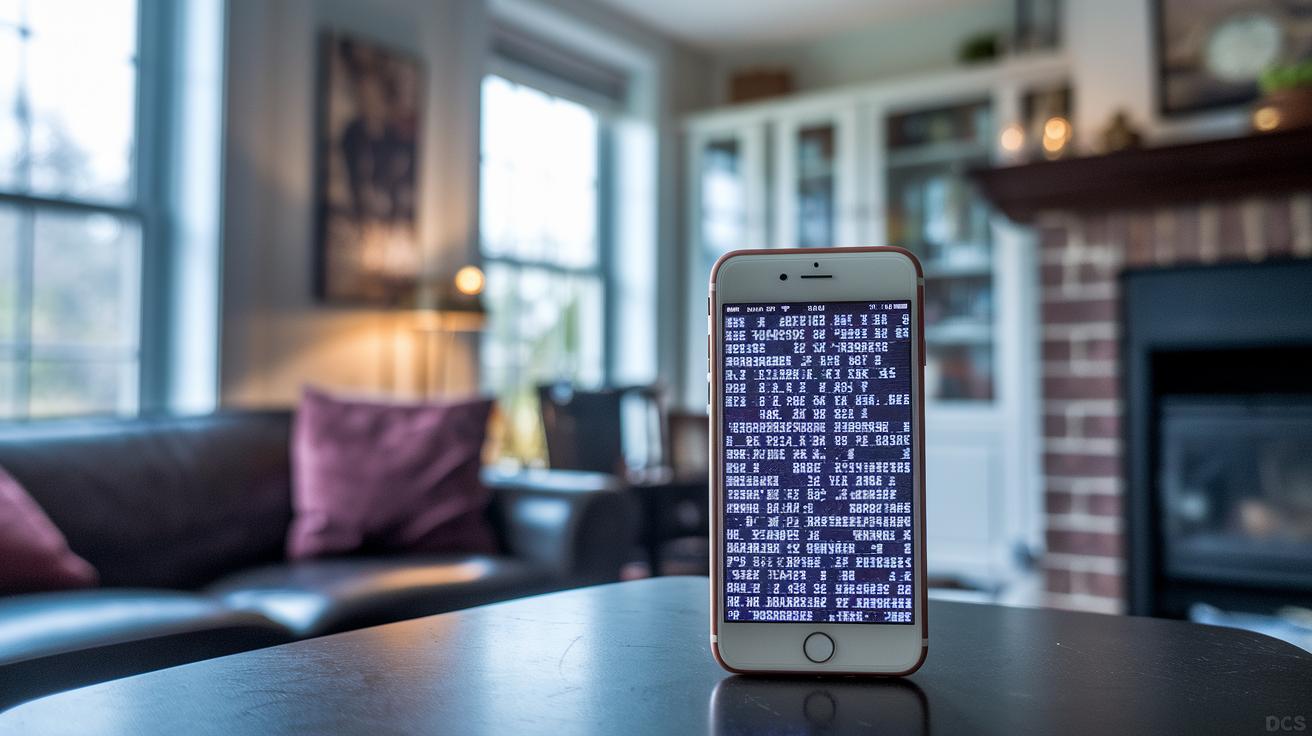
Encryption is like a super lock for your messages, only you and the person you're talking to can open it. When you send a message, it gets mixed up on your device and stays that way until it reaches the other side. This means no server or middleman ever sees your real message. It really makes you feel confident about the safety of your digital chats.
Here are six key perks of using encryption:
- It guards your data against server breaches. Even if someone sneaky intercepts the transmission, they just see scrambled text, not anything meaningful.
- It stops spying. Whether it’s hackers, service providers, or even governments, your messages remain off-limits.
- It protects data integrity. Even a tiny change in one bit can mess up the whole message, making it impossible to decode. Think of it like a puzzle, if one piece is wrong, the picture never fits.
- It helps you follow privacy rules. This method meets standards like GDPR and HIPAA that demand strong protection for personal data.
- It builds trust. Knowing that only the intended person can read your message gives you a real sense of safety.
- It defends your privacy rights. Your sensitive conversations stay private and free from unwanted eyes.
Each benefit shows how sharing data can be both secure and simple, giving you peace of mind every time you communicate.
Limitations and Challenges of End-to-End Encryption

End-to-end encryption is a smart way to protect your data, but no system can promise complete invulnerability. Think of it like a secret code, you trust it to secure your messages, yet if you lose your device or your private key, you might lose everything because there’s not much room for backup. It’s like having a vault with no spare key.
And while this level of privacy is impressive, it sometimes makes it tougher for law enforcement to access data during investigations. Authorities might find it harder to piece together clues when everything is locked down tight. Plus, integrating end-to-end encryption into some systems can slow things down or create unexpected complications, so setting it up isn’t always a breeze.
Real-World Use Cases for End-to-End Encrypted Data
End-to-end encryption is not just a fancy idea, it’s something many people use every day. When you send a message, it’s scrambled on your device and stays that way until it safely reaches the person you meant to contact. Picture writing a secret note that only your friend can understand, while anyone else only sees a jumble of letters.
WhatsApp, Signal, and Apple iMessage
Apps like WhatsApp, Signal, and Apple iMessage use this kind of encryption all the time for both chats and calls. When you send a text, it’s locked up with a special key on your phone and only unlocked on your friend’s phone. Even if someone tries to peek, they only see random symbols that don’t make any sense. This secret system uses two keys, a public one to lock and a private one to unlock. The private key stays safe on your device, making your digital conversation feel just as secure as sharing a secret whisper in a quiet room.
PreVeil: Secure Email and File Storage
There’s more than just chat apps that use end-to-end encryption. Services like PreVeil protect your emails and files across many devices, whether you use Windows, macOS, iOS, or Android. Every user has their own set of keys, and the private key never leaves your device. It’s like having a personal safe that only you can unlock. PreVeil also works with many popular file systems, which means your important files stay safe from hackers and even from the service provider itself. This approach shows how practical and secure encrypted data storage can be.
These examples show how end-to-end encryption makes everyday digital life safer and keeps your conversations private.
Final Words
In the action, we saw how end-to-end encryption works from start to finish. We explored the key management process, compared it with other safety measures, and looked at real-world use cases that protect data at every step. The article clearly explained what is end-to-end encrypted data and its role in keeping cloud operations secure and efficient. It’s encouraging to see technology delivering trust and clarity in each transaction, making our digital interactions both safe and simple.
FAQ
What does end-to-end encrypted data mean on iCloud, iPhone, and Android devices?
The end-to-end encryption on these platforms means your data is locked on your device and only unlocked on the intended recipient’s device, keeping it hidden from any intermediaries like cloud servers.
What are examples of end-to-end encryption in messaging apps like Messenger and WhatsApp?
The use of end-to-end encryption in messaging apps means messages are secured right from your device and only revealed when they reach the other party. Popular apps like WhatsApp and certain Messenger versions apply this technique.
What are the disadvantages of end-to-end encryption?
The disadvantages of end-to-end encryption include the risk of permanently losing data if encryption keys are lost, restrictions during lawful investigations, and potential performance slowdowns due to increased processing.
Why might end-to-end encryption be turned off?
End-to-end encryption might be turned off when system settings don’t support it or compatibility issues arise, leaving data less protected as it may be decrypted at intermediate points.
What happens if I reset end-to-end encrypted data on my iPhone?
Resetting end-to-end encrypted data on your iPhone can remove the stored encryption keys, making previously encrypted data permanently inaccessible since recovery isn’t possible without those keys.
Is it good to turn on end-to-end encryption?
Turning on end-to-end encryption is beneficial because it protects your data throughout transmission, ensuring that only you and the recipient can read the information, thereby boosting privacy and trust.
How can you tell if someone is using end-to-end encryption?
You can tell if a service uses end-to-end encryption by checking its security documentation or settings, which typically state that only the sender’s and receiver’s devices can decrypt the transmitted data.

