Samsung may dominate the smartphone market, yet even giants stumble. Over the past fifteen years the Korean company has launched hundreds of handsets, most of them reliable and some truly groundbreaking. A select few, however, were unforgettable for all the wrong reasons: exploding batteries, fragile folding screens, baffling design experiments and bargain models that felt anything but a bargain. Looking back at these misfires is more than tech rubber-necking—it shows how Samsung learned, pivoted and occasionally over-corrected. Here are ten phones the brand would rather you forget and the hard-won lessons each one taught the industry.
When Samsung Phones Go Wrong
Samsung may dominate the smartphone market, yet even giants stumble. Over the past fifteen years the Korean company has launched hundreds of handsets, most of them reliable and some truly groundbreaking. A select few, however, were unforgettable for all the wrong reasons: exploding batteries, fragile folding screens, baffling design experiments and bargain models that felt anything but a bargain. Looking back at these misfires is more than tech rubber-necking, it shows how Samsung learned, pivoted and occasionally over-corrected. Here are ten phones the brand would rather you forget and the hard-won lessons each one taught the industry.
Samsung Galaxy Note7: The Explosive Misstep
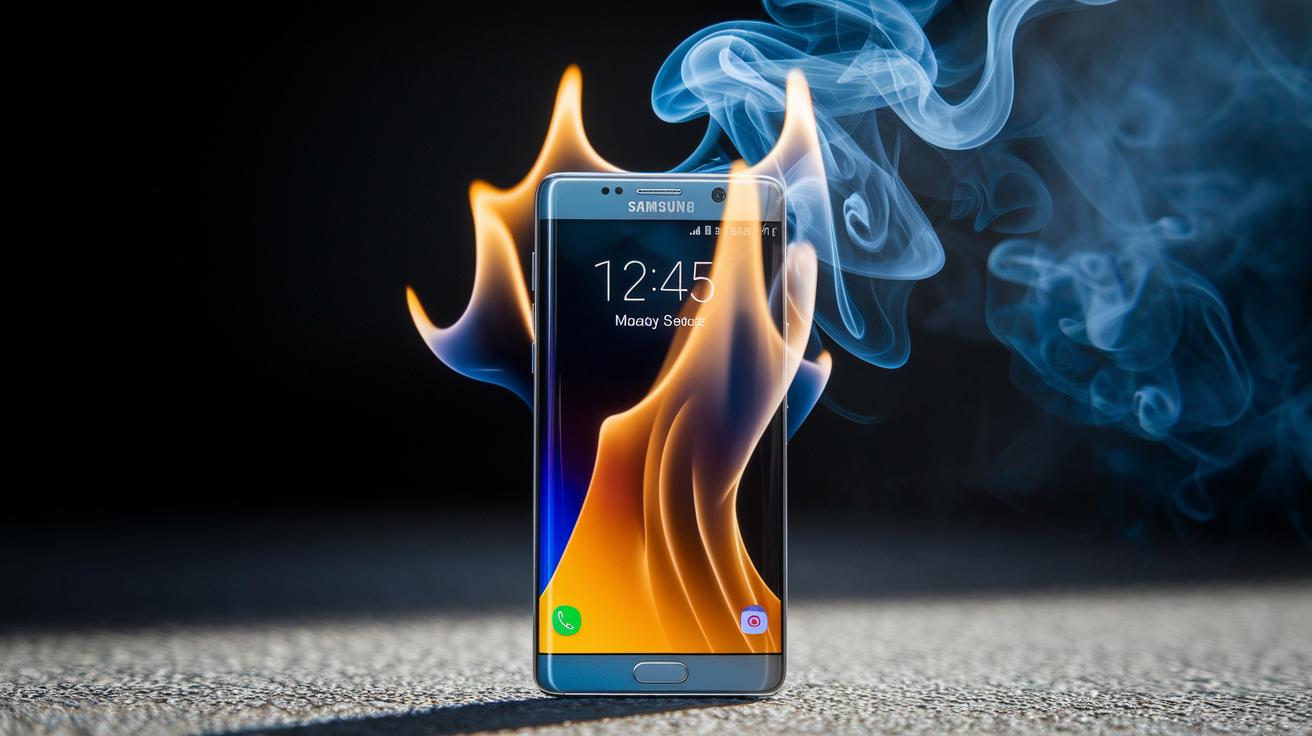
Announced in August 2016, the Galaxy Note7 looked like the perfect productivity monster: curved Quad HD screen, iris scanner, USB-C and the beloved S Pen. Then early units began catching fire. A squeezed battery design left virtually no space for expansion, so minor swelling shorted the electrodes. Samsung halted sales, recalled every handset and issued replacements, only to watch the new batches burn as well. Airlines banned the phone worldwide and regulators forced a second recall. The fiasco cost Samsung more than five billion dollars and pushed the company to implement an eight-point battery safety test that remains in place today.
OG Galaxy Fold: Fragility Over Function
Samsung promised a glimpse of the future with the first Galaxy Fold in 2019, but the future turned out to be painfully fragile. Reviewers peeled off what looked like a shipping film only to destroy the display, while dust slipped through hinge gaps and punched holes from beneath. Screens failed within days and Samsung was forced to delay the launch by nearly six months, adding capped hinge ends and tucking the protective layer under the bezels. Even after those fixes, the two-grand handset felt like a beta device and reminded buyers why patience can be a virtue.
Galaxy S6: Beauty with Big Trade-Offs
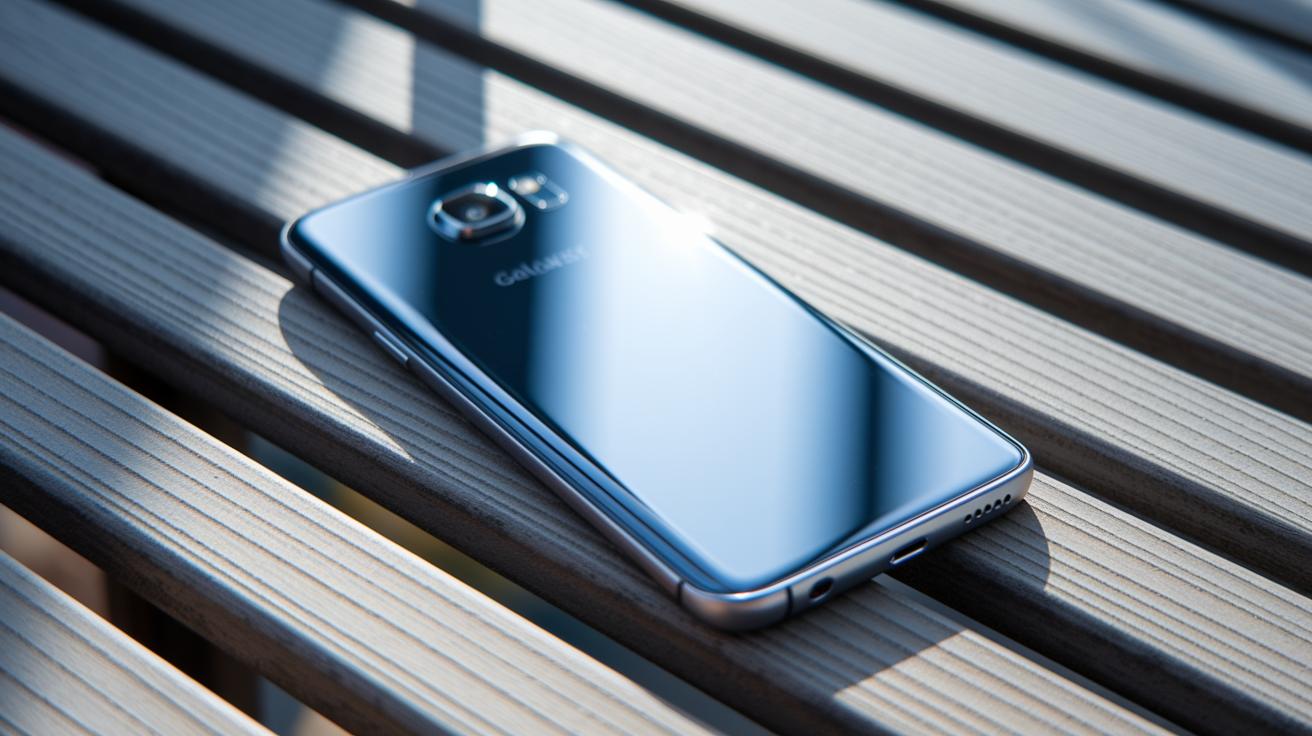
Chasing premium vibes, Samsung ditched plastic for glass and metal on the 2015 Galaxy S6. The makeover looked gorgeous, yet it came with painful sacrifices: no micro-SD slot, no waterproofing and a sealed 2,550 mAh battery that sagged before dinner time. TouchWiz remained bloated, swallowing precious storage and dulling the speedy Exynos chip after only a few app installs. Repair specialists cursed the glued sandwich construction, and loyalists balked at losing hallmark Galaxy perks. Sales lagged, inventory ballooned and Samsung quickly U-turned the very next year with the popular, feature-packed S7. Critics deemed it a case study in style over substance.
Galaxy S5: Feature Creep Without Focus
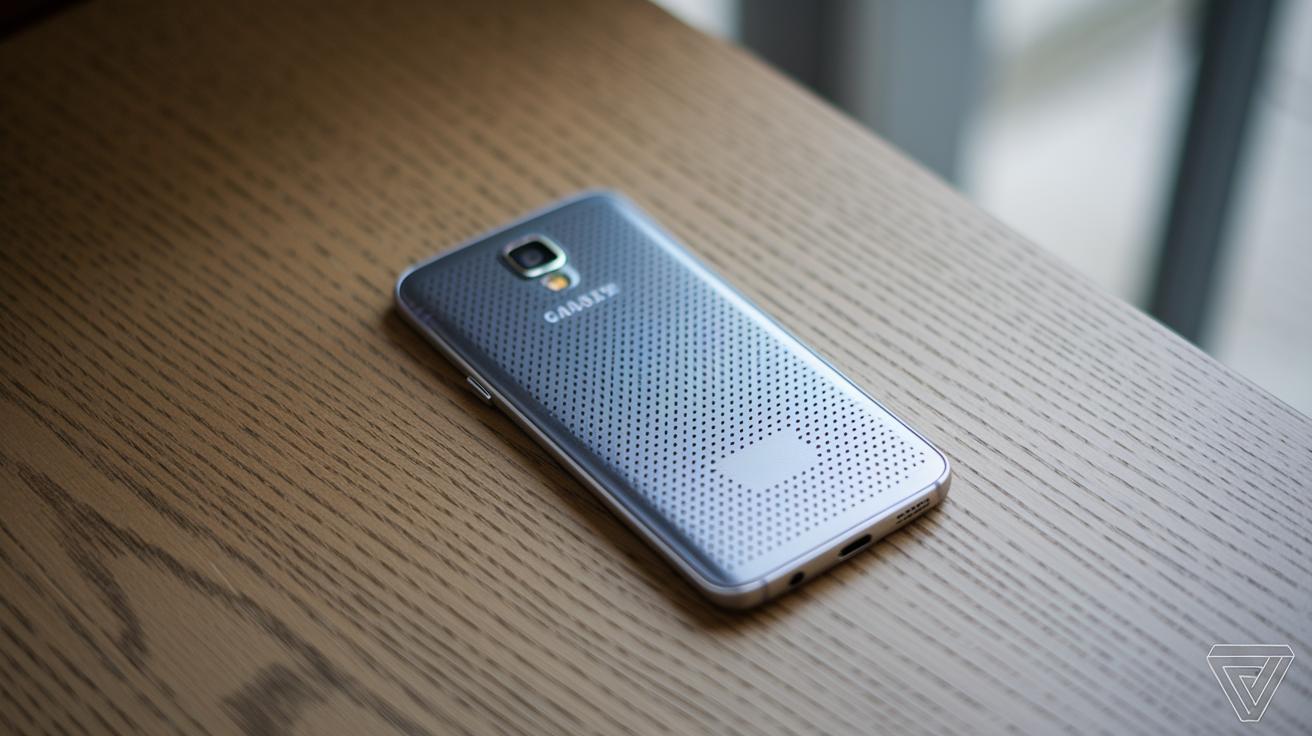
Released in 2014, the Galaxy S5 threw every gimmick at the wall. It sported a perforated “Band-Aid” back, a swipe-style fingerprint reader that failed more often than it worked and a heart-rate sensor nobody asked for. Waterproofing was welcome, but the fiddly USB 3.0 flap broke within weeks, and TouchWiz was so overloaded with duplicate apps that overall performance trailed cheaper phones. Reviewers mocked the design, and consumers voted with wallets: the S5 undersold its predecessor, spurring Samsung to rethink both hardware aesthetics and software restraint. Surplus inventory sat in warehouses, cutting deep into profit margins for several consecutive quarters running.
Galaxy Ace: Budget Done Bad
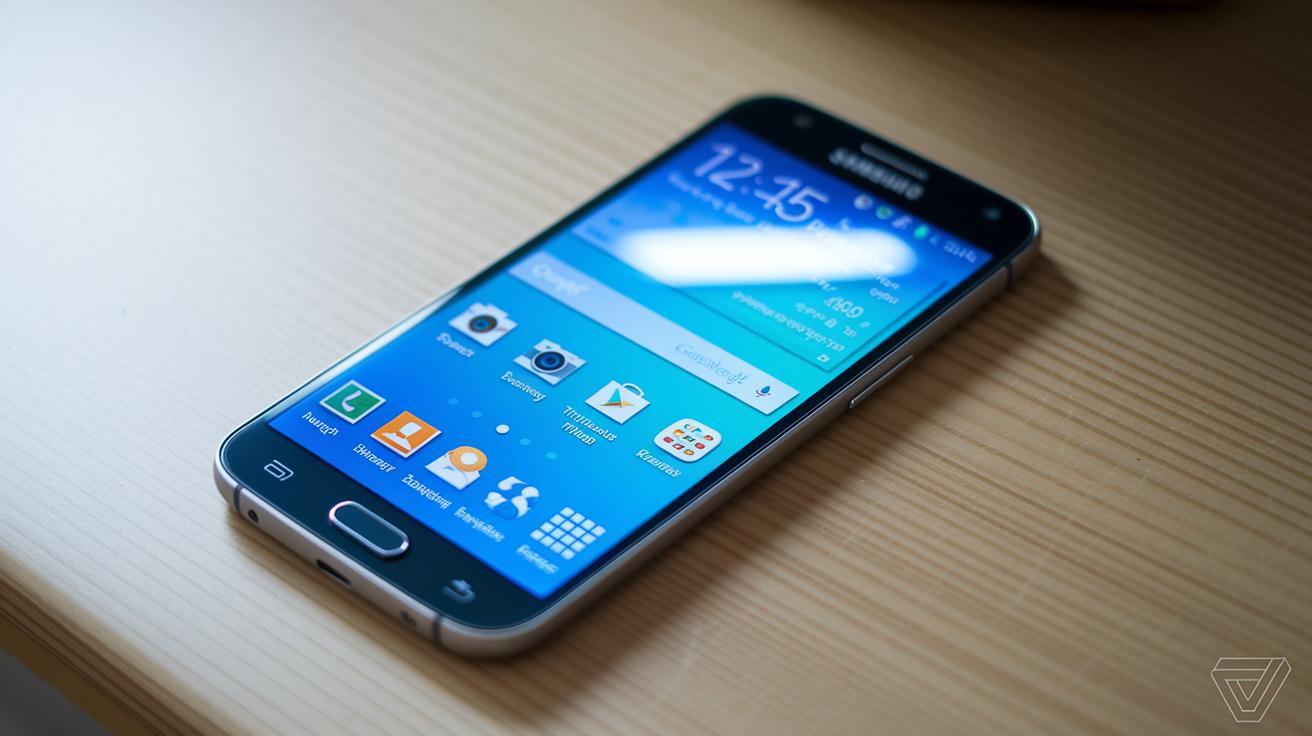
Launched in early 2011 to entice budget shoppers, the Galaxy Ace felt underpowered even on day one. A single-core 800 MHz chip and 278 MB of usable RAM crawled under Samsung’s heavy Gingerbread skin. The 3.5-inch 320 × 480 LCD looked fuzzy, and its 158 MB of internal storage filled after installing Facebook and two games. GPS lock took minutes, and YouTube stuttered unless you dropped to low resolution. Owners who tried custom ROMs encountered odd partition layouts that risked permanent brick. Sales volume was high, but so were returns, reinforcing the myth that cheap Android meant bad Android for years afterward in consumer lore.
Galaxy J2 (2018): Lag in a 4G World
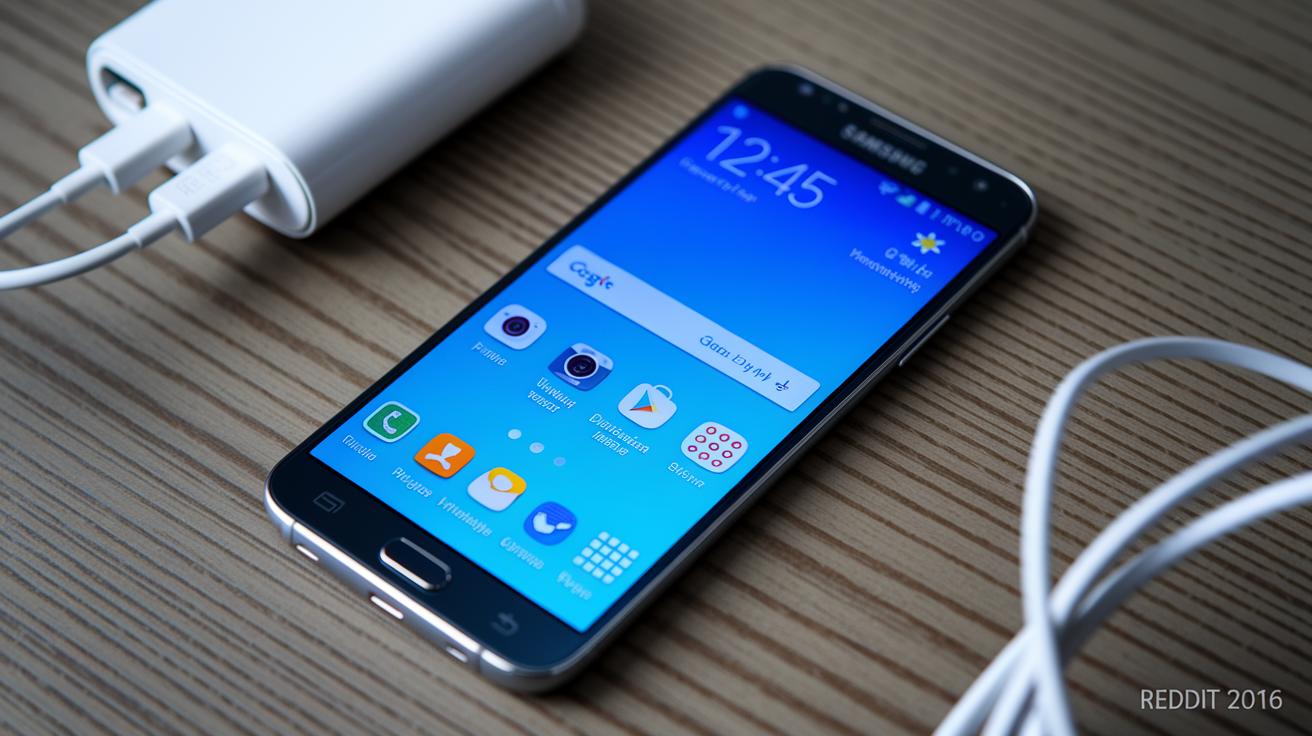
By 2018, Samsung’s Galaxy J2 felt like a relic the moment it left the box. The 5-inch qHD AMOLED panel looked pixelated next to rival 1080p screens, while the Exynos 3475 and 2 GB of RAM struggled to keep Instagram and WhatsApp open simultaneously. Storage was just 16 GB, half of which disappeared to pre-loaded apps advertisers paid to install. Samsung pushed its Smart Manager to kill tasks, yet the phone still lagged and stuttered. Competitors from Xiaomi and Realme delivered double the specs for less money, forcing Samsung to sunset the entire J line the following year and rethink its budget roadmap.
Samsung Continuum: The Ticker No One Needed
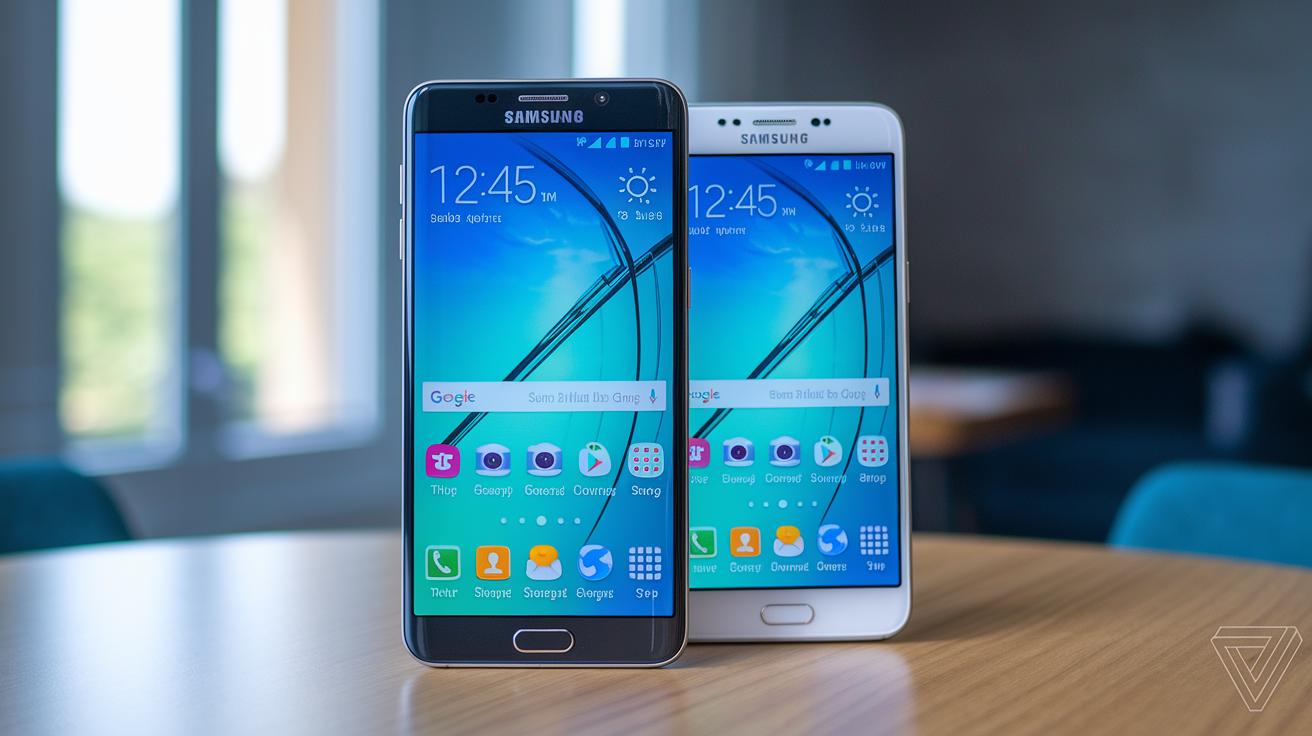
Back in 2010, Samsung experimented with dual displays on the Galaxy S Continuum. Beneath the main 3.4-inch screen sat a narrow “ticker” that promised headlines and social feeds without waking the phone. In practice, carriers pushed few software updates, so the ticker spent most of its life black. The unusual layout forced capacitive buttons into the middle of the device, creating accidental presses and wasted space. The Continuum shipped with outdated Android 2.1, and an upgrade to Froyo arrived months late. Consumers opted for the standard Fascinate instead, and the ticker gimmick disappeared as quickly as it arrived from memory.
Samsung Ativ S: A Windows Phone Wrong Turn
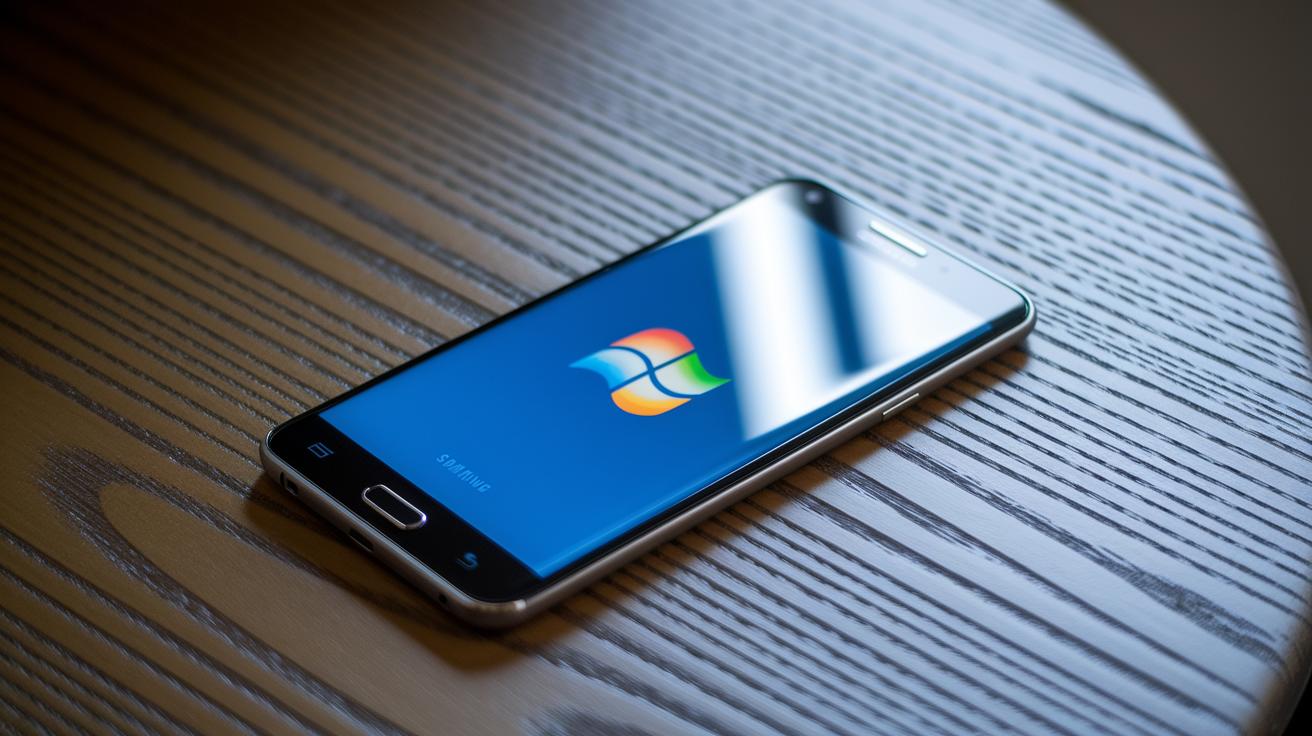
In 2012 Samsung briefly flirted with Windows Phone, releasing the Ativ S as a metallic twin to the Galaxy S3. Hardware was fine, a 4.8-inch HD display, removable battery and micro-SD slot, yet the software story collapsed. Microsoft’s app catalog was shallow, major titles arrived late and Samsung never bothered to port its own media or health suites. Carriers prioritized Nokia’s Lumia lineup, so firmware updates crawled. Within a year the Ativ S vanished from most markets, teaching Samsung a hard truth: even the largest Android vendor cannot rescue a platform lacking developer love or consumer mindshare in an unforgiving ecosystem today.
Galaxy Mega 6.3: Too Big, Too Soon
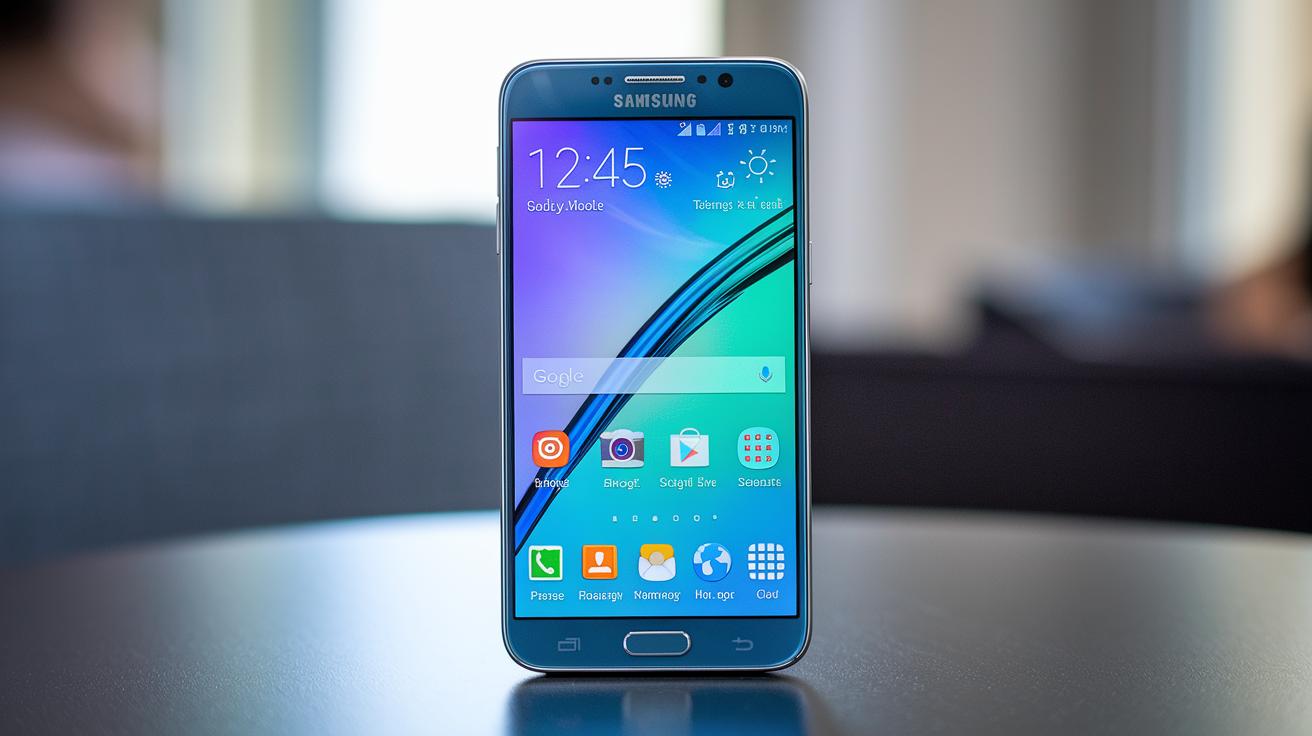
When Samsung unveiled the Galaxy Mega 6.3 in 2013, jaws dropped at its tablet-like footprint. Unfortunately, the specs did not match the scale. The 720p screen stretched pixels, a mid-range Snapdragon 400 supplied sluggish performance and only 1.5 GB of RAM pushed TouchWiz into constant reloads. Without an S Pen or high-end camera, the device felt simply oversized rather than innovative. Reviewers labeled it an awkward compromise that cost as much as true flagships. Consumers agreed, and the Mega line quietly disappeared, returning years later as far more capable mid-range Galaxy A models, proving size alone does not guarantee smartphone success today.

